
What Is the Difference Between Temporal and Temporary?
Temporal and temporary are two adjectives that look similar and are sometimes confused. However, they have different meanings and are used in different contexts. Understanding the difference will help you use these words correctly in both academic and everyday English.
What Does Temporal Mean?
Temporal is an adjective that relates to time or to worldly matters as opposed to spiritual ones. It is commonly used in academic, philosophical, legal, and religious contexts.
Examples of Temporal
1- The study focused on the temporal aspects of language learning.
2- The church separated temporal power from spiritual authority.
3- He was interested in the temporal sequence of historical events.
4- Temporal lobe damage can affect a person’s memory.
5- The judge considered the temporal context of the crime.
6- The philosopher discussed temporal and eternal questions.
7- The temporal order of events was crucial to the investigation.
Common Uses of Temporal
1- Temporal lobe — part of the brain related to memory and hearing
2- Temporal power — power related to worldly or civil matters
3- Temporal sequence — the order in which events happen in time

What Does Temporary Mean?
Temporary is an adjective that means lasting for only a limited time. Something that is temporary is not permanent and will change or end at some point.
Examples of Temporary
1- She took a temporary job while looking for something permanent.
2- The pain was only temporary and went away after a few hours.
3- They set up a temporary shelter for the flood victims.
4- His success was temporary and did not last long.
5- The company hired temporary staff during the busy season.
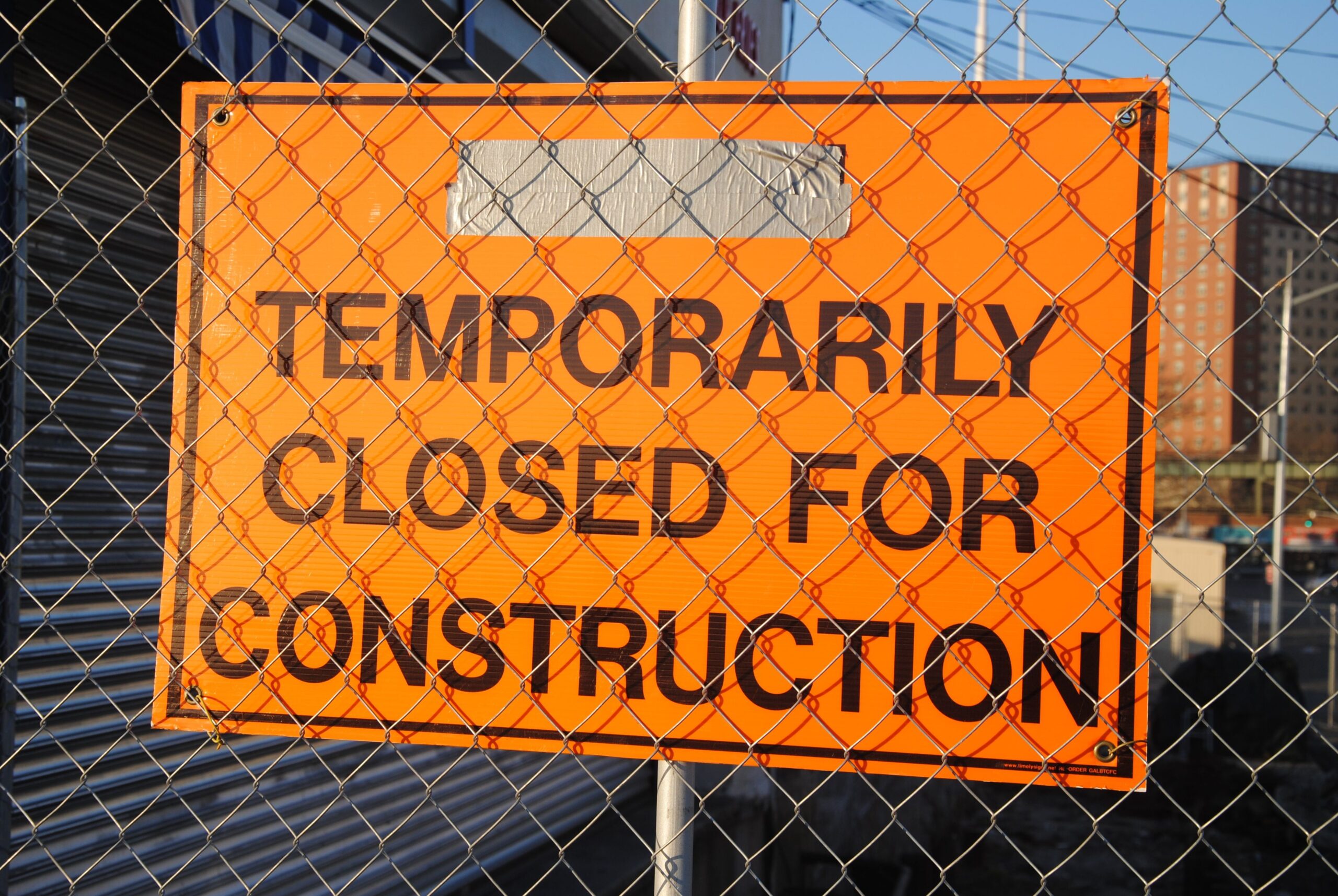
6- The road closure is temporary and will end next week.
7- She is staying in temporary accommodation until she finds a flat.
Common Phrases with Temporary
1- Temporary job — a job that lasts for a limited time
2- Temporary solution — a solution that is not permanent
3- Temporary accommodation — housing for a short period
Key Differences Between Temporal and Temporary
Temporal
Meaning: relating to time or worldly matters
Context: academic, philosophical, medical, legal
Example: The temporal sequence of events was important.
Temporary
Meaning: lasting for only a limited time, not permanent
Context: everyday English, work, housing, solutions
Example: She found a temporary solution to the problem
Common Mistakes
Using Temporal Instead of Temporary
Incorrect: She found a temporal solution to the problem.
Correct: She found a temporary solution to the problem.
Using Temporary Instead of Temporal
Incorrect: The study focused on the temporary aspects of language.
Correct: The study focused on the temporal aspects of language.
Memory Tips
TEMPORAL = Time-related (academic and formal contexts)
TEMPORARY = Not permanent (everyday contexts)
Think of it this way:
Temporal contains TEMPO — which relates to the speed or timing of something.
Temporary contains TEMP — think of a temp worker who is not permanent.
Conclusion
1- Temporal relates to time or worldly matters and is used in formal contexts.
2- Temporary means lasting for only a limited time and is not permanent.
3- Temporal is more academic and formal, while temporary is used in everyday English.
4- A simple trick: temporal = relating to time, temporary = not permanent.
5- Using these words correctly will make your English more precise and professional.