
What Does Foul Play Mean?
Foul play is an important phrase in both legal and everyday English. Understanding its meaning and how it is used will help you read and understand news articles, legal documents, and crime stories more easily. This guide explains the meaning of foul play with clear examples and context.
What Does Foul Play Mean?
Foul play refers to criminal activity, violent or dishonest behavior, or an action that is against the rules. In legal contexts, foul play usually refers to a crime such as murder or an unlawful act. In everyday English, it can also refer to unfair or dishonest behavior in a competition or business situation.
Meaning 1 — Criminal Activity
In legal contexts, foul play usually means a violent crime such as murder or serious assault. When police suspect foul play, they believe a crime may have been committed.
Examples:
1- The police are not ruling out foul play in the disappearance of the businessman.
2- The autopsy revealed signs of foul play.
3- Detectives suspected foul play after examining the scene.
4- There was no evidence of foul play at the scene of the accident.
5- The investigation was opened after foul play was suspected.
Meaning 2 — Unfair or Dishonest Behavior
In everyday English, foul play can refer to dishonest or unfair behavior in sport, business, or politics.
Examples:
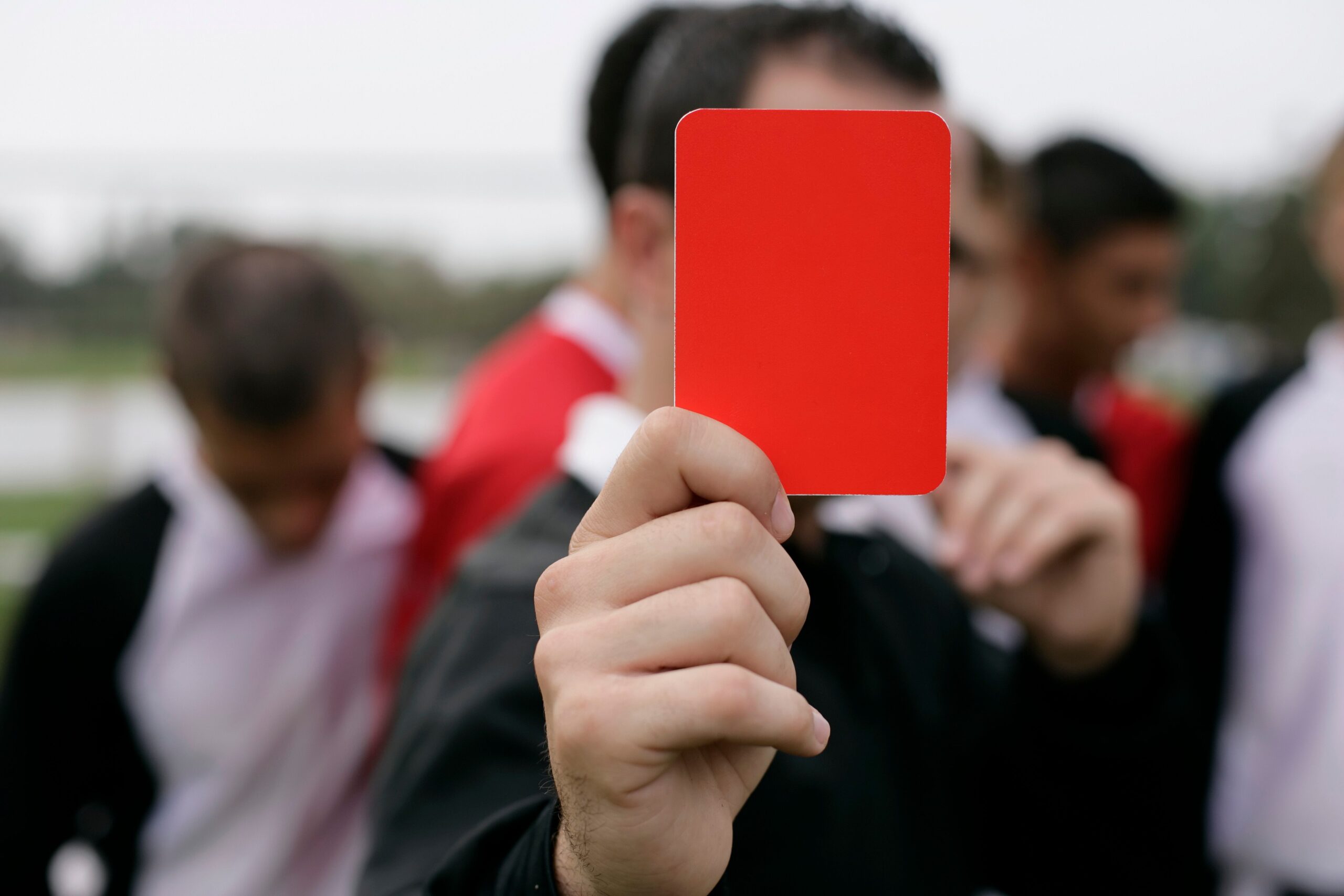
1- The referee stopped the game after an act of foul play.
2- The company was accused of foul play in the bidding process.
3- There were allegations of foul play in the election results.
4- The athlete was disqualified for foul play during the race.
5- The investigation revealed serious foul play in the financial accounts.

Common Contexts for Foul Play
In Crime and Law
1- Foul play is suspected — police believe a crime may have been committed
2- No foul play was found — there is no evidence of a crime
3- Signs of foul play — evidence suggesting a crime was committed
In Sport
1- An act of foul play — a deliberate illegal action against another player
2- Punished for foul play — receiving a penalty for breaking the rules
In Business and Politics
1- Allegations of foul play — accusations of dishonest or unfair behavior
2- Foul play in the bidding process — dishonest behavior during a bid
Common Mistakes
Using Foul Play Too Casually
Incorrect: I think there was foul play when my friend ate my lunch.
Correct: I think there was some unfair behavior when my friend ate my lunch.
Note: Foul play is a serious phrase, especially in legal contexts.
Confusing Foul Play with Fair Play
Foul play = illegal, dishonest, or against the rules
Fair play = honest, just, and following the rules
Memory Tips
FOUL PLAY = Something wrong has happened (criminal or unfair)
Think of FOUL as something bad and unpleasant — foul smell, foul behavior
FAIR PLAY = The opposite — honest and just behavior
Conclusion
1- Foul play refers to criminal activity, violence, or dishonest behavior.
2- In legal contexts, foul play usually means a violent crime such as murder.
3- In sport, foul play refers to deliberate illegal actions against another player.
4- In business and politics, foul play refers to dishonest or unfair behavior.
5- Understanding foul play in context will help you read legal and news texts more easily.